
Chor-Bakr Complex
A city of the dead five kilometres west of Bukhara, grown over four centuries around the graves of the Juybari sheikhs.
About this complex
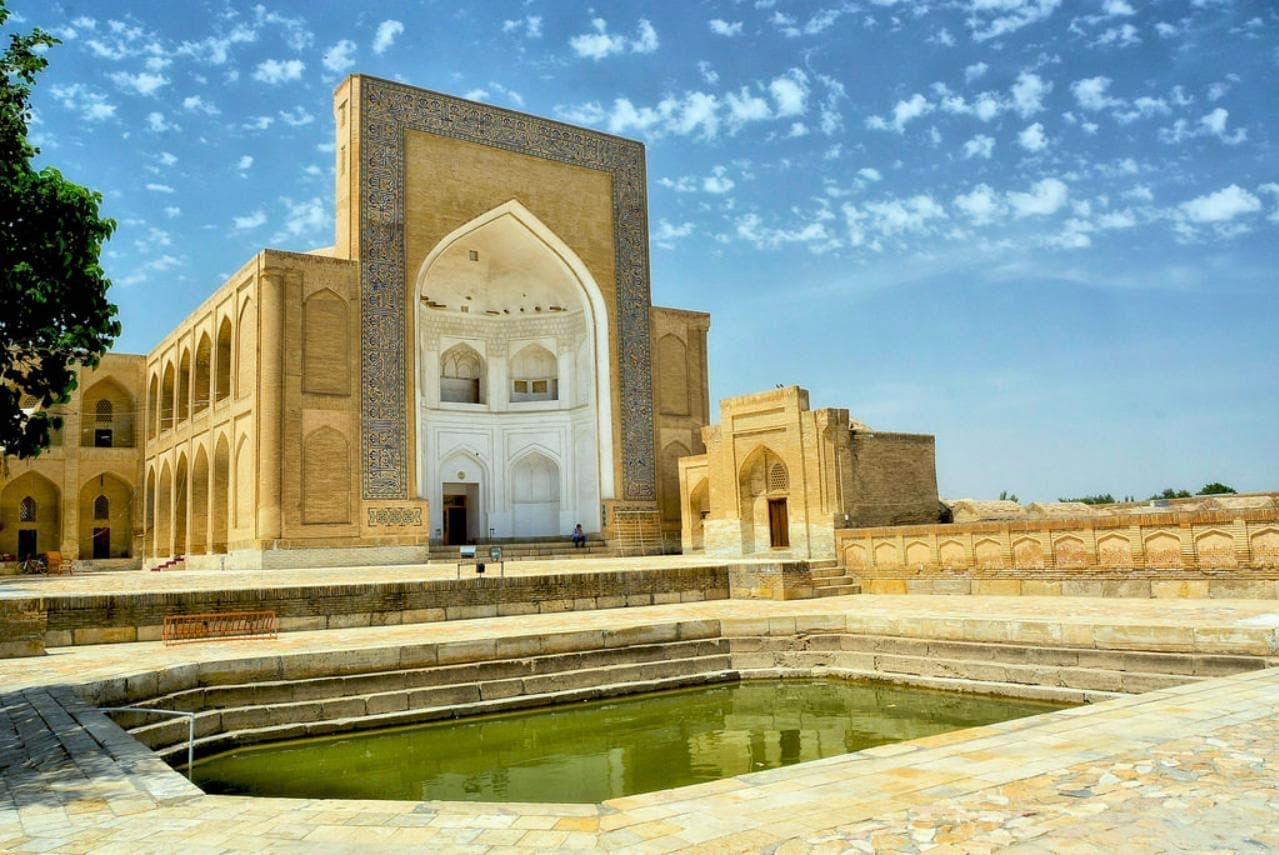
Chor-Bakr is not in the old city. It stands in the village of Sumitan, about five kilometres to the west — far enough that it is often missed, close enough to reach in fifteen minutes.
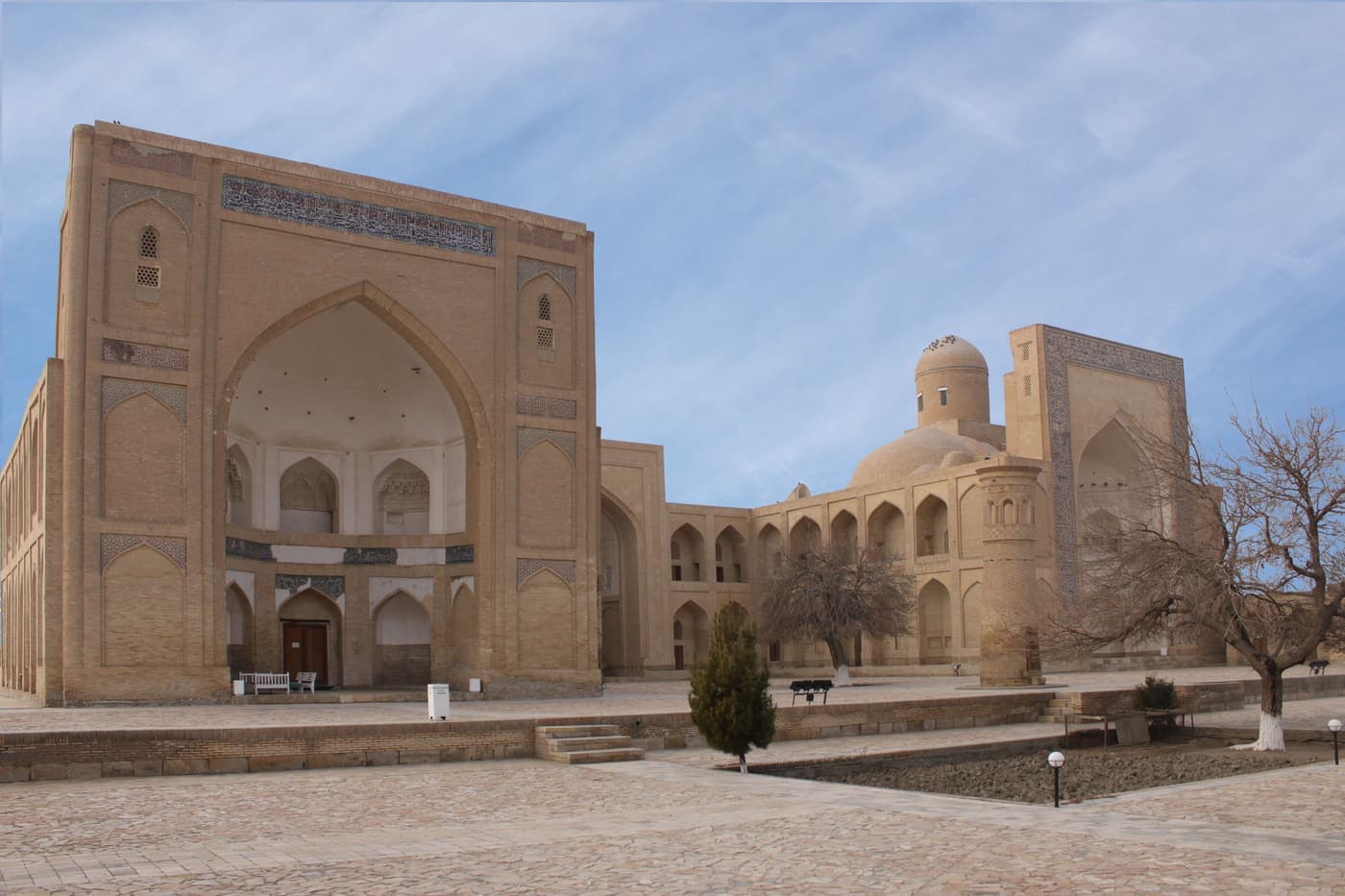
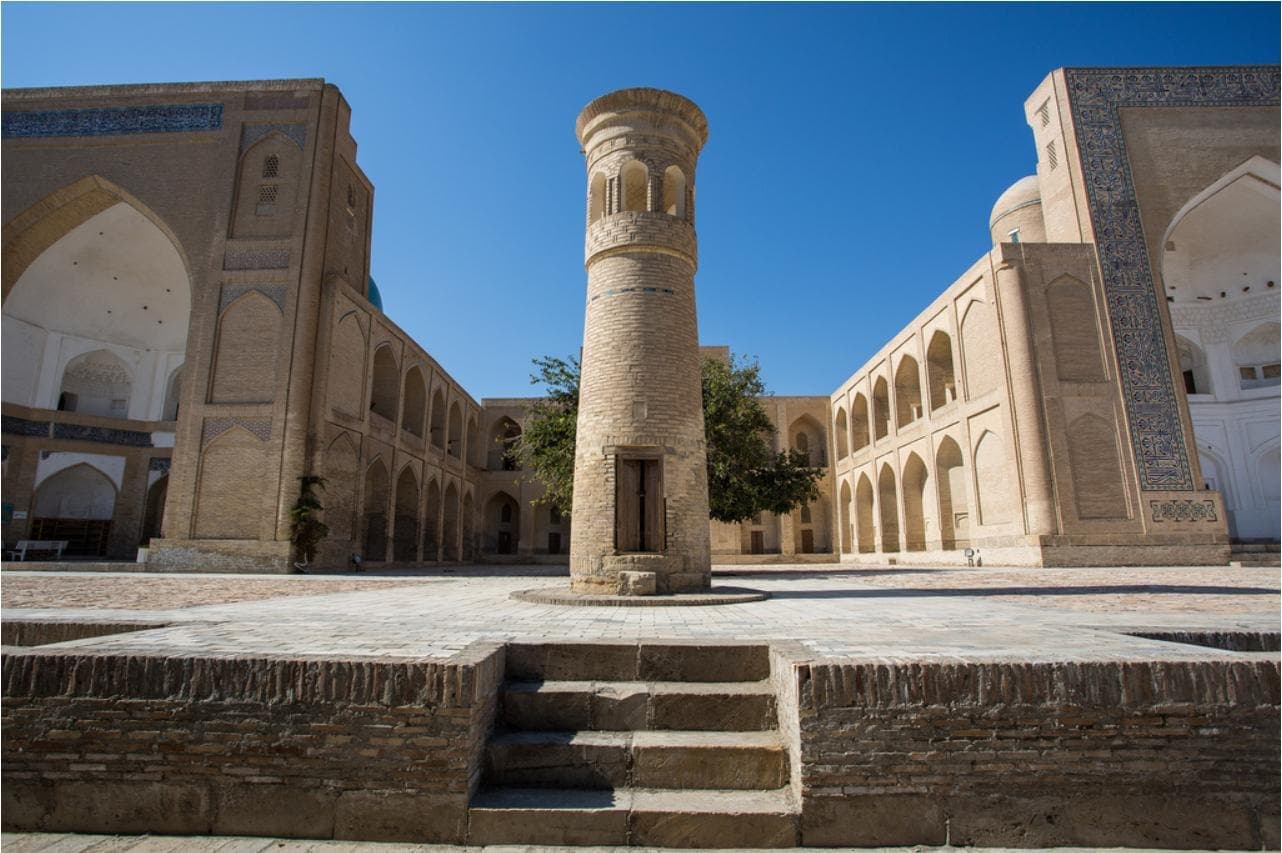
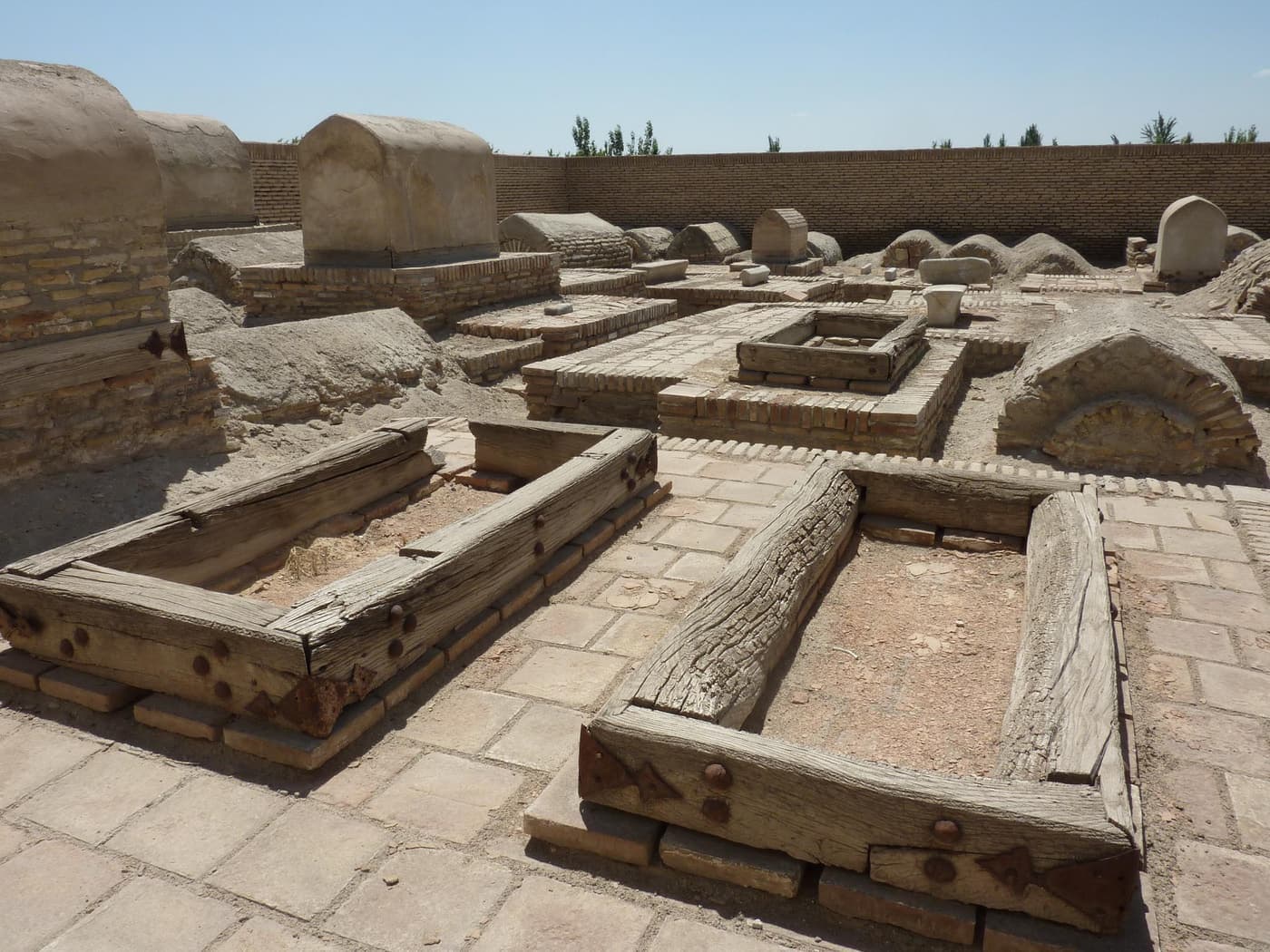
It began as a burial place around the graves of revered scholars of the Bukhari lineage and grew into something unusual: not a single mausoleum but a whole necropolis of courtyards, portals, domes and family plots. The ensemble you walk through today took its present shape in the sixteenth century under the Shaybanid ruler Abdullakhan II, which means tenth-century intellectual history and sixteenth-century architecture stand in the same courtyards.
Gallery
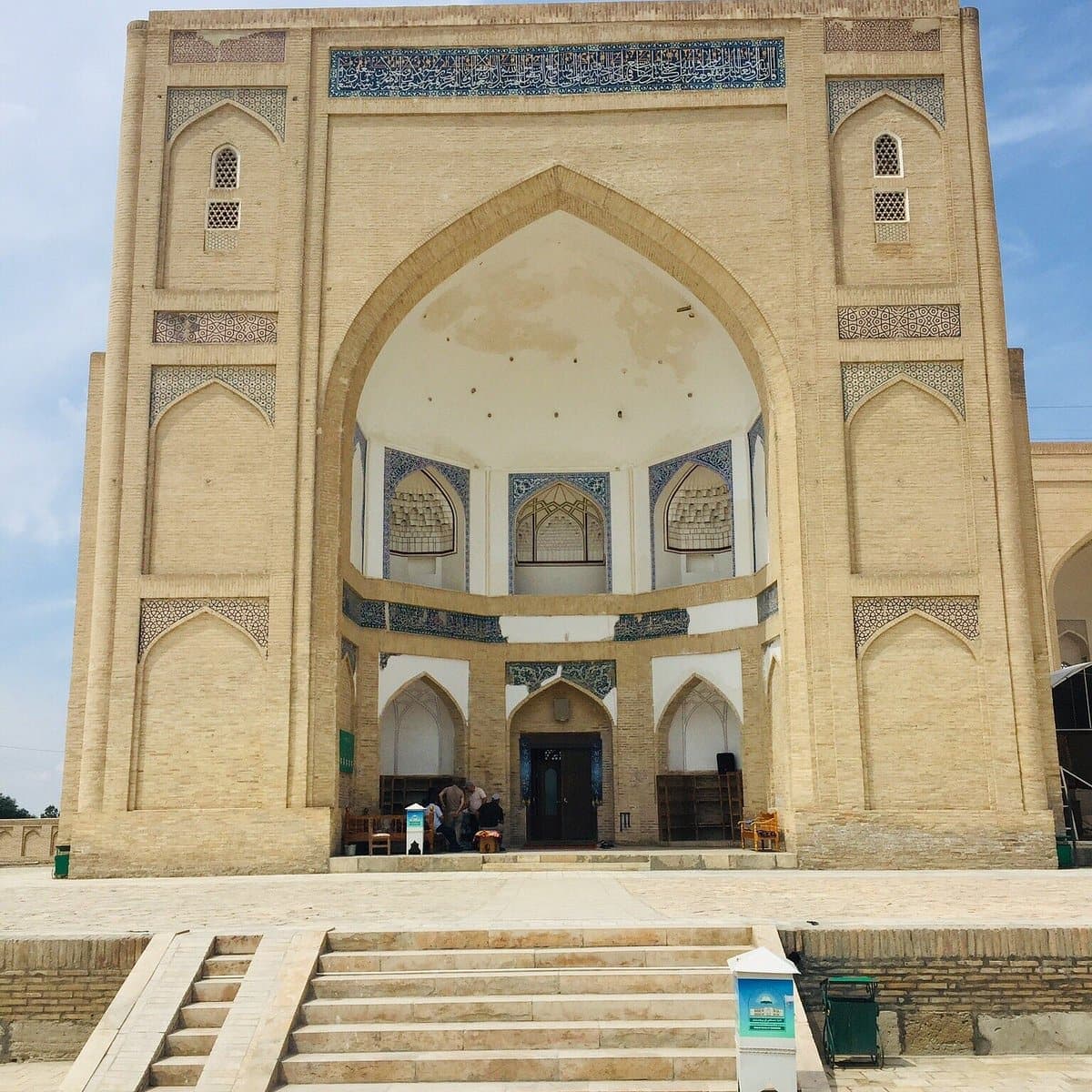
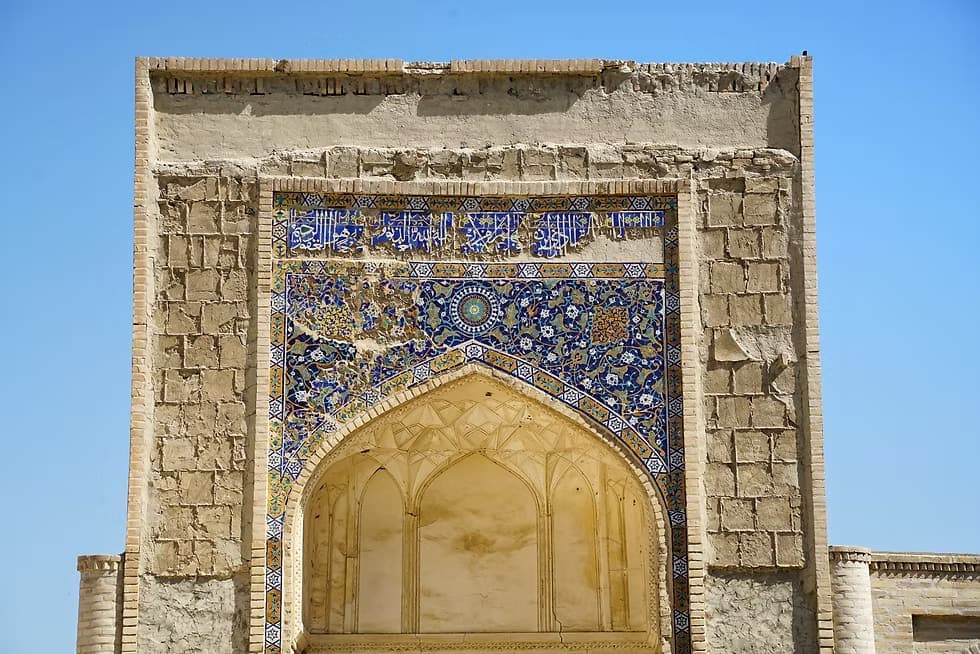
Monuments in this complex
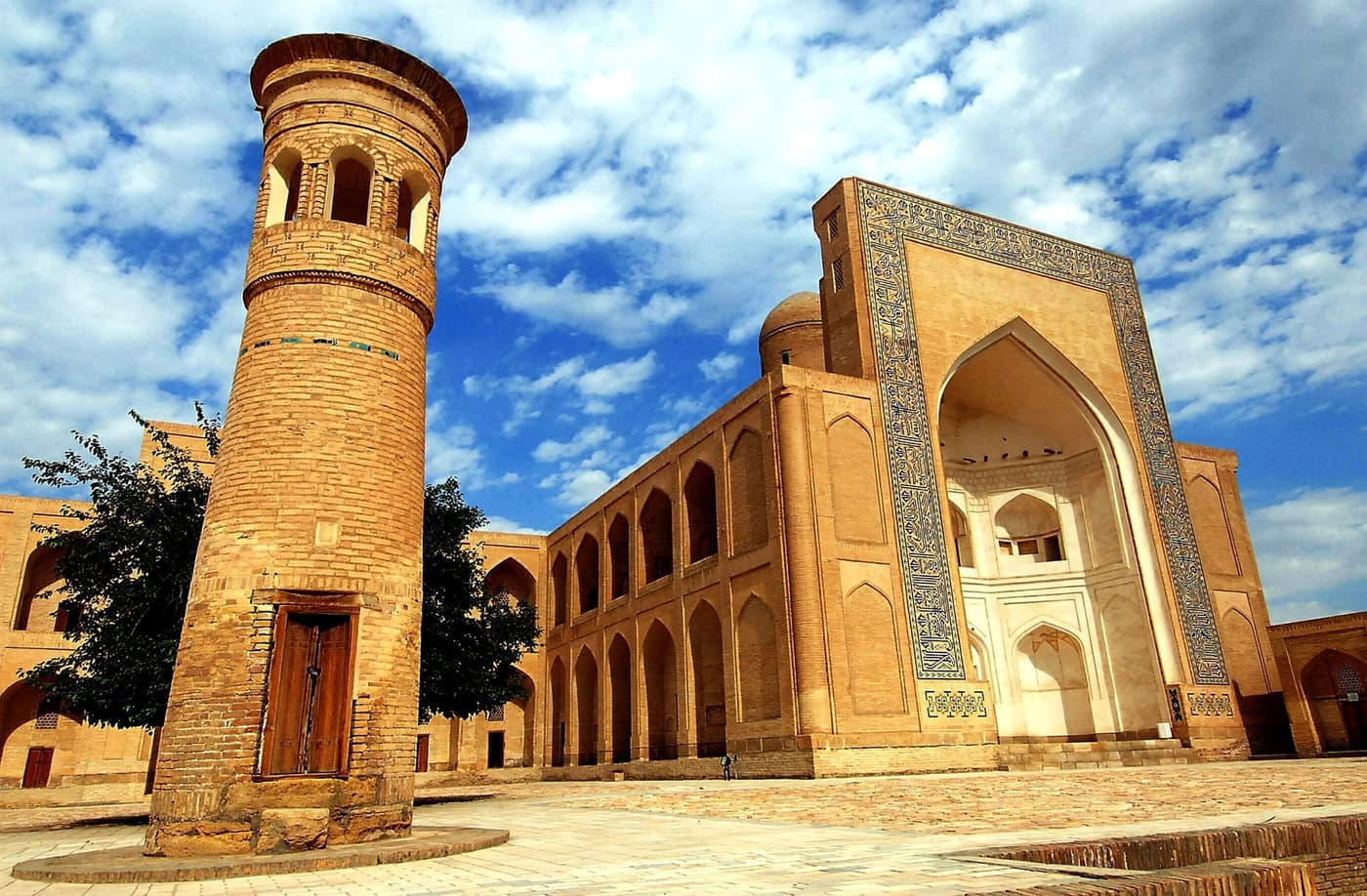
Abu-Bakr Sa'd al-Bukhari Mausoleum
The grave the whole necropolis grew around — a tenth-century scholar whose descendants shaped Bukhara for centuries.
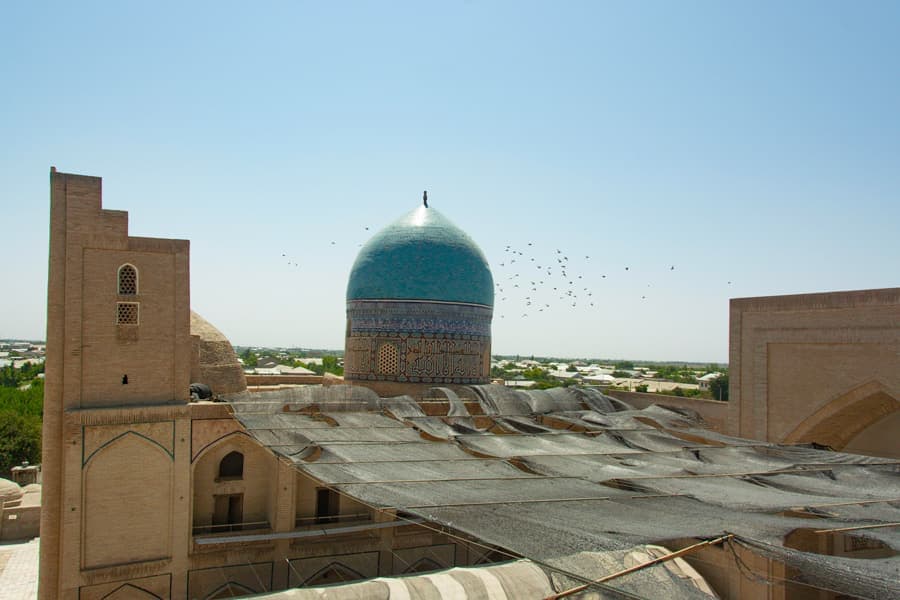
Abu-Bakr Fazl Mausoleum
A quiet courtyard for a tenth-century scholar whose greatest legacy was never a building at all.