Abu-Bakr Sa'd al-Bukhari Mausoleum
The grave the whole necropolis grew around — a tenth-century scholar whose descendants shaped Bukhara for centuries.
Listen while you walk
This guide plays in the language you selected.
Script
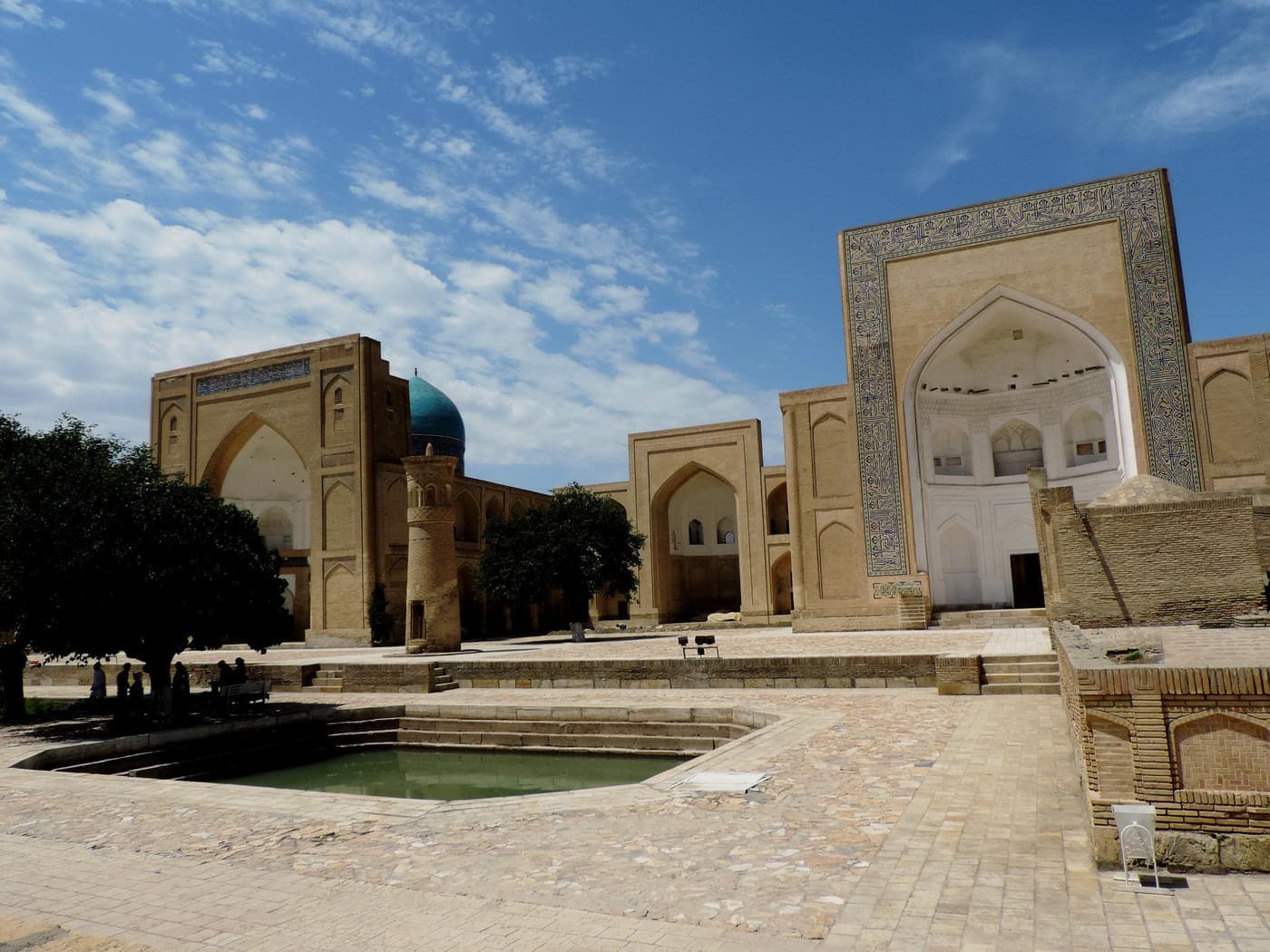
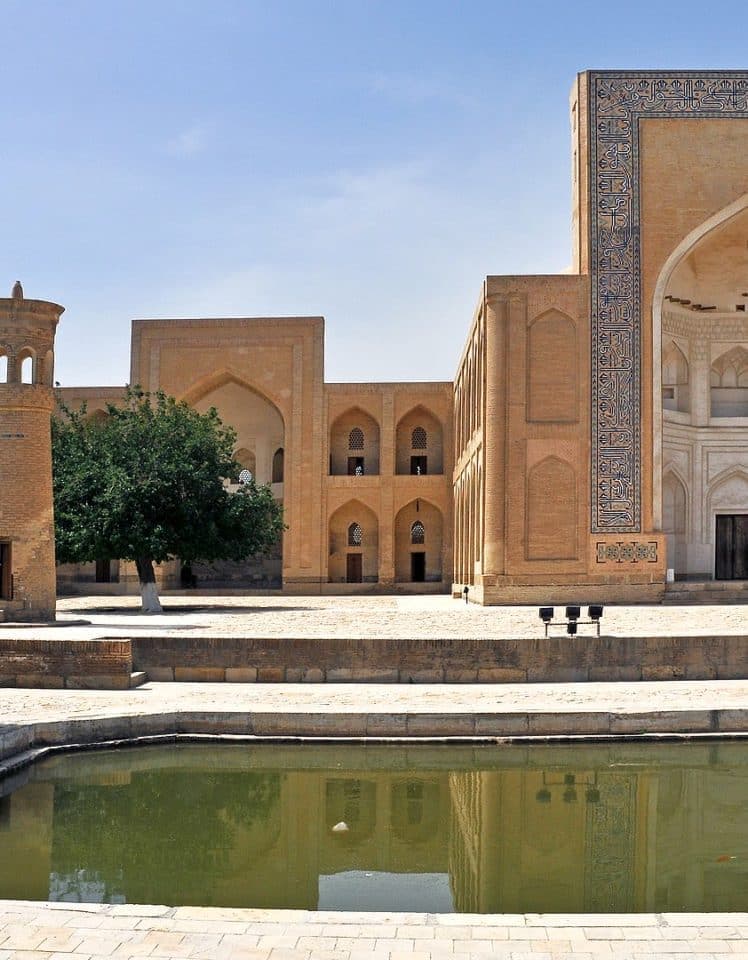
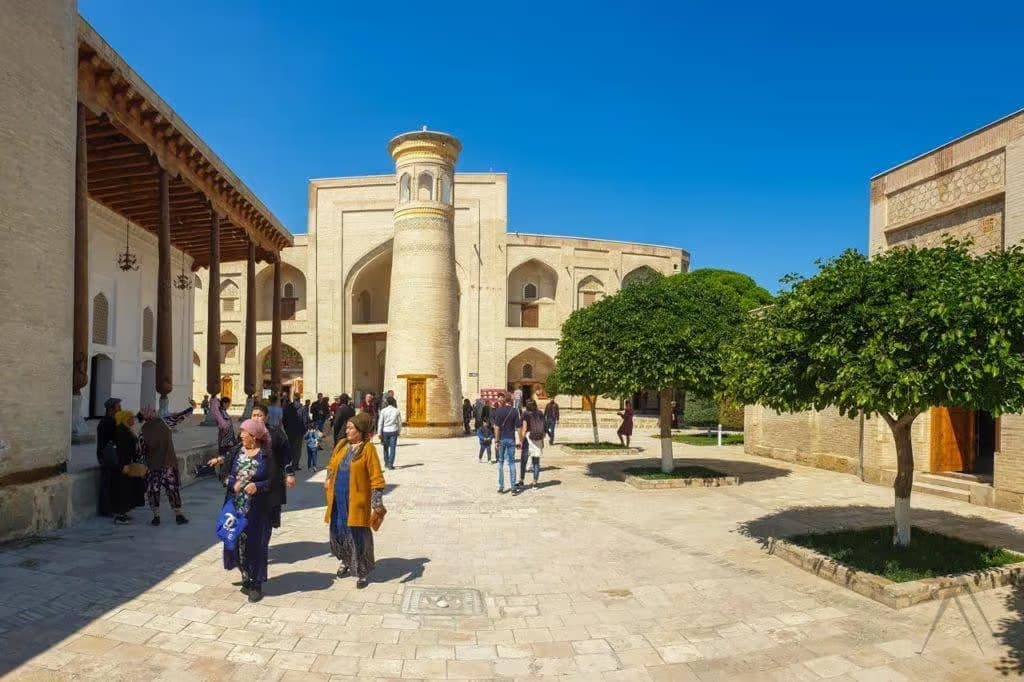
Welcome. You are now a few kilometres from Bukhara, in the historic area of Sumitan, inside the Chor-Bakr Complex. The mausoleum before you is associated with Abu-Bakr Sa'd al-Bukhari. To understand what you are seeing, remember one important point: Chor-Bakr is not a single mausoleum. It is a large memorial and pilgrimage landscape that developed over centuries, with a mosque, madrasa, khanqah, enclosed burial courtyards, family tombs and many graves. The name “Chor-Bakr” means “Four Bakrs” and refers to four prominent figures associated with this sacred place.
Abu-Bakr Sa'd lived around the late ninth and early tenth centuries and is generally said to have died around 970 or 971. He was one of the influential religious scholars of Bukhara during the Samanid period. Historical and local sources remember him as a shaykh al-Islam, a leading authority in Islamic law, and a teacher whose influence reached many scholars. In the intellectual world of medieval Bukhara, religious learning was not separate from public life. Scholars taught, issued legal opinions, advised rulers and helped shape the moral and educational life of the city.
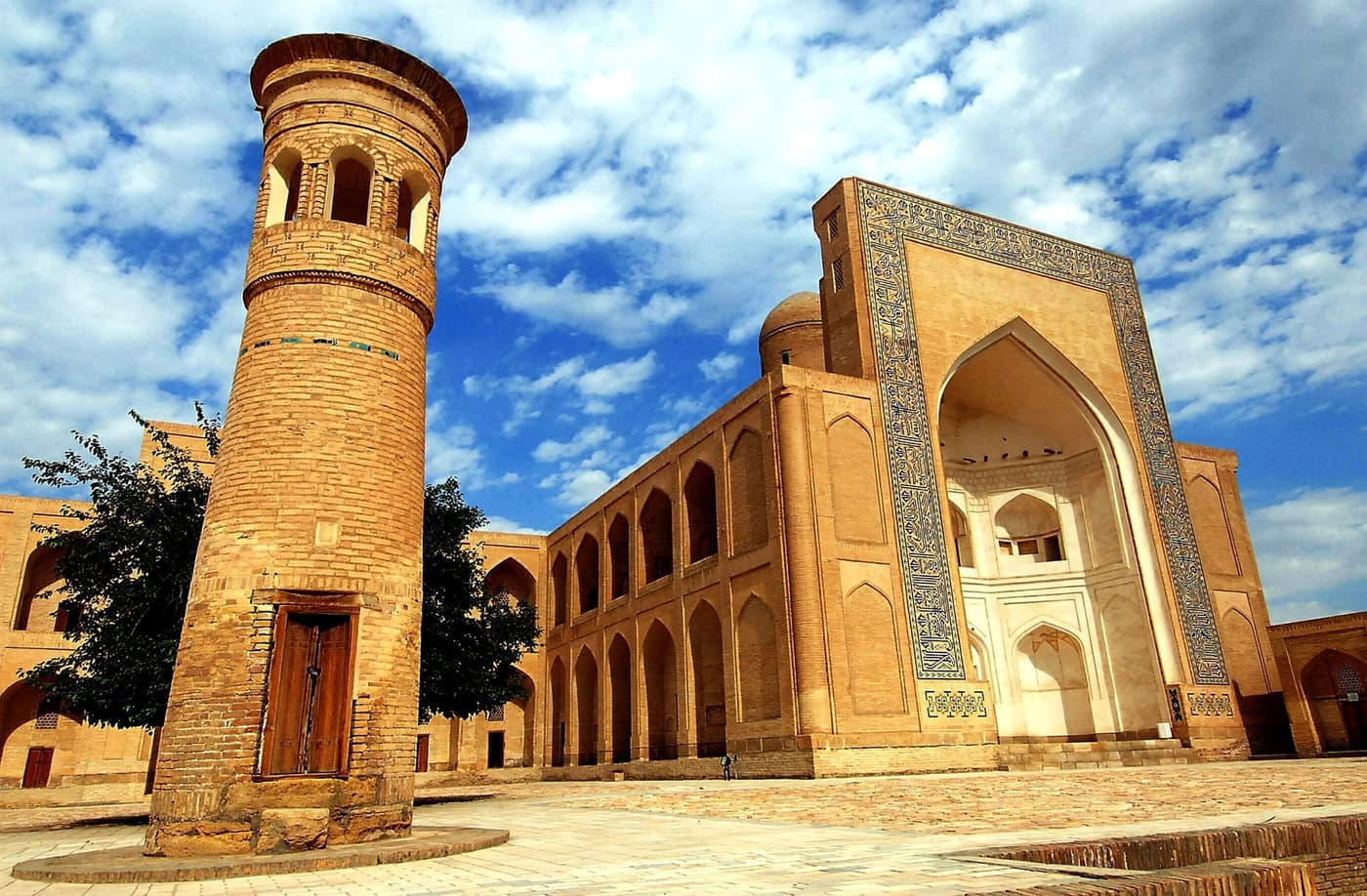
There is an important difference between the age of the person and the age of the architecture you see. Abu-Bakr Sa'd lived centuries before the main architectural ensemble of Chor-Bakr took its present form. His tomb became a place of remembrance first; later generations built around it. In the sixteenth century, under the Shaybanid ruler Abdullakhan II, the site was greatly expanded. A mosque, madrasa and khanqah were established, and the surrounding burial grounds developed into a carefully organised memorial complex.
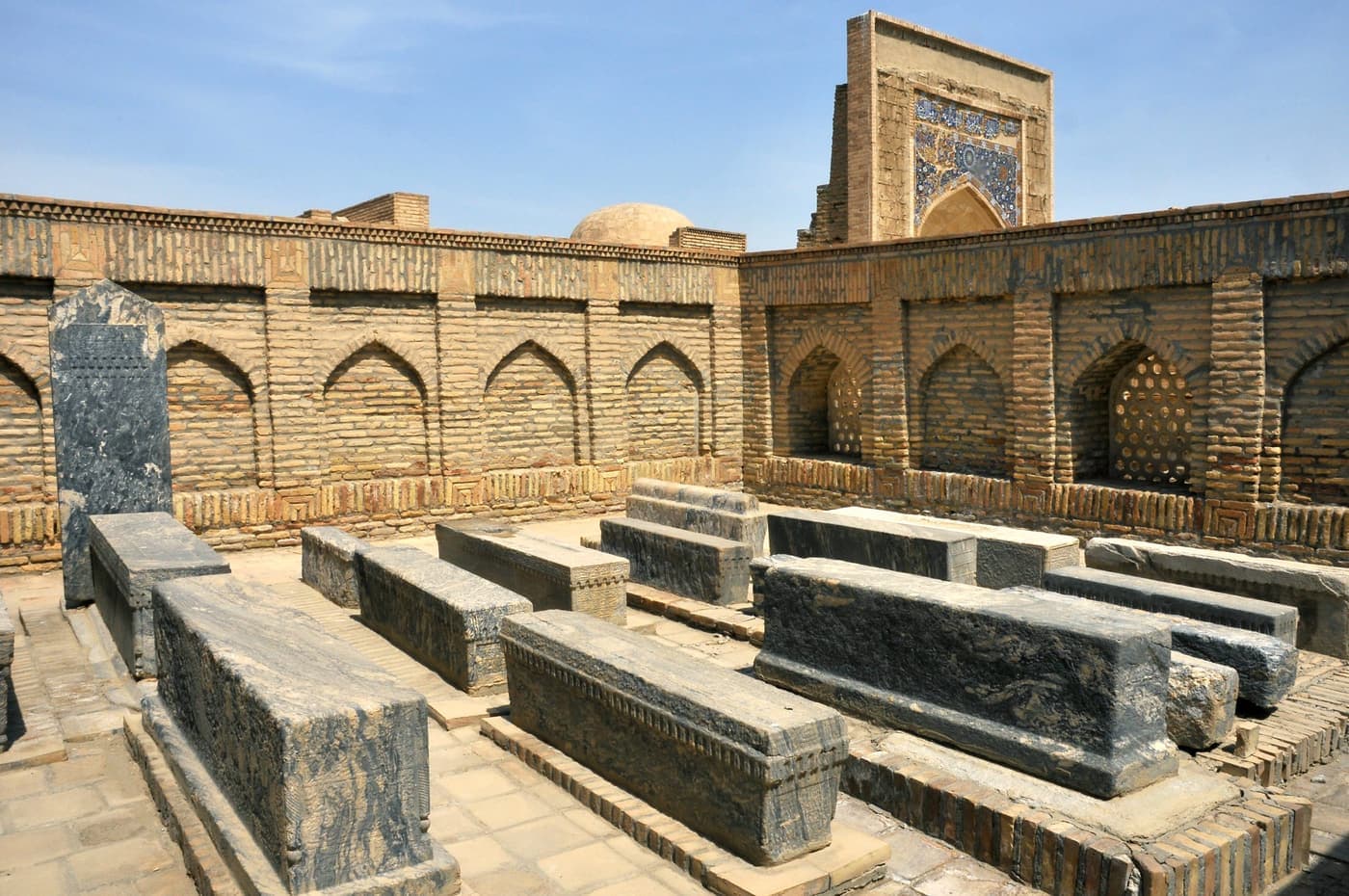
So when you look at this mausoleum, do not think of it simply as a building standing above one grave. Think of it as the centre of a much longer story. Abu-Bakr Sa'd's burial place attracted generations of followers and descendants. Over time, family tombs, khaziras and other funerary structures appeared around it, creating a vast necropolis. Travel writers sometimes call Chor-Bakr the “city of the dead.” The phrase is memorable, but the complex is really about much more than death. It is about scholarship, lineage, religious service, patronage and the way a community preserves memory through architecture.
Gallery