
Ark / Registan Complex
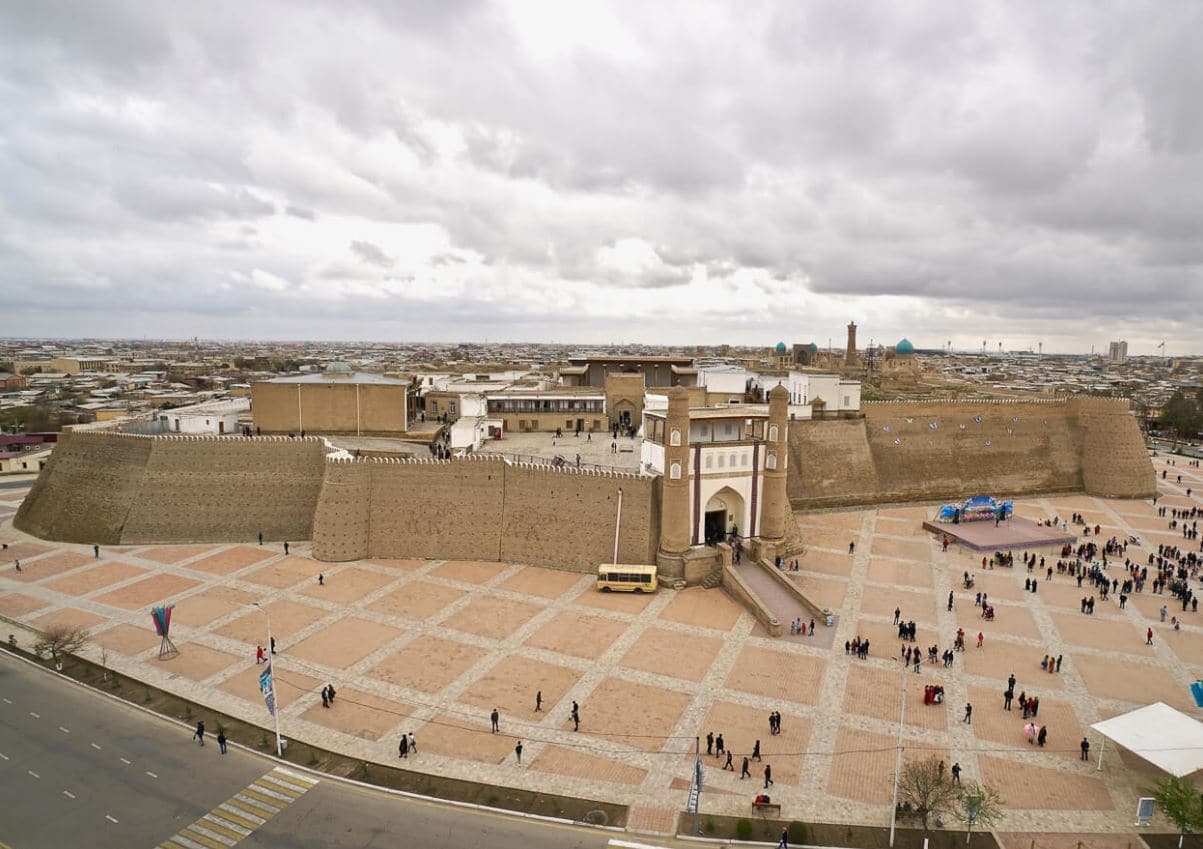
The fortress of the emirs on its artificial hill, and the open square below it where the city's public life happened.
About this complex
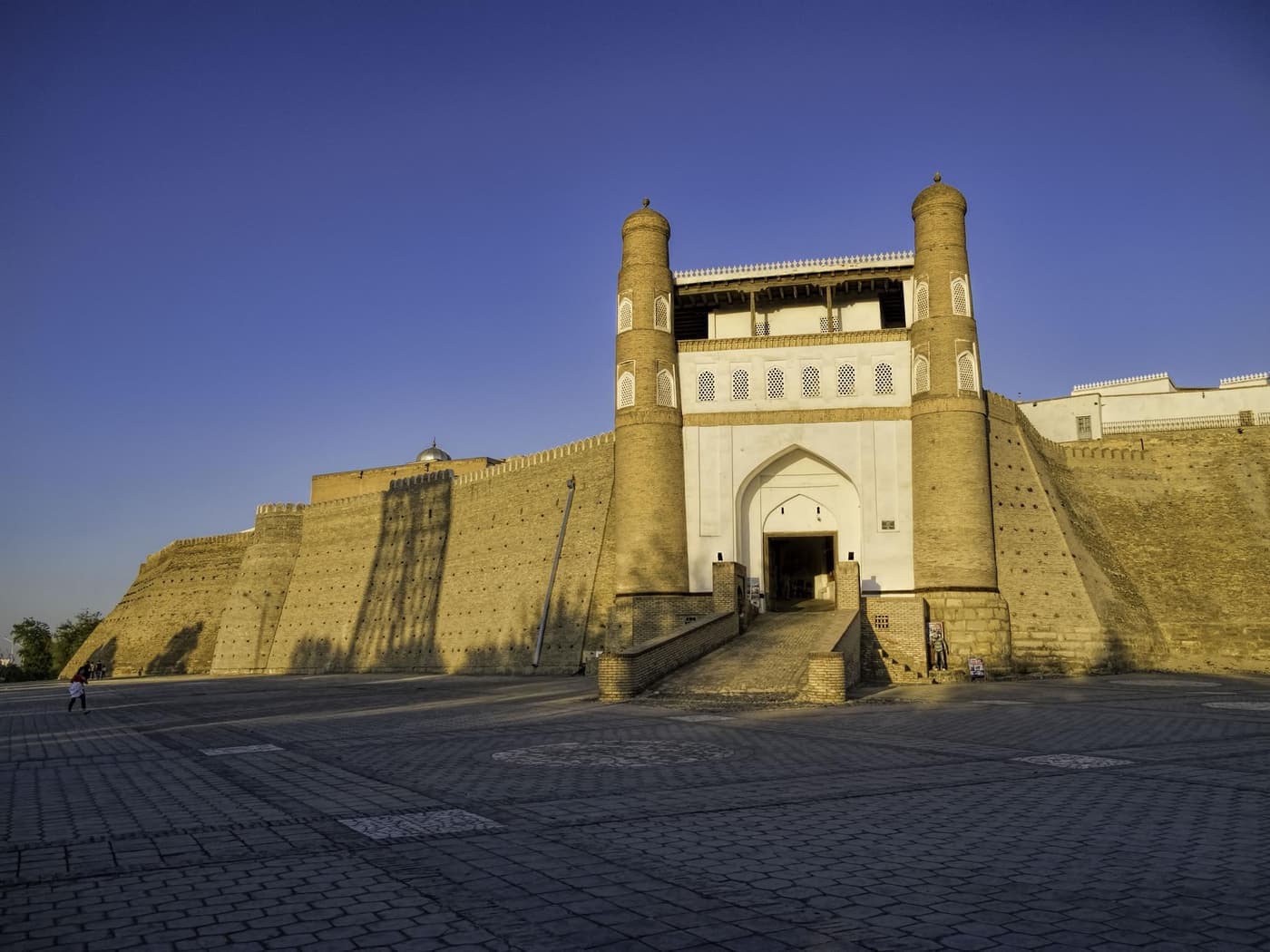
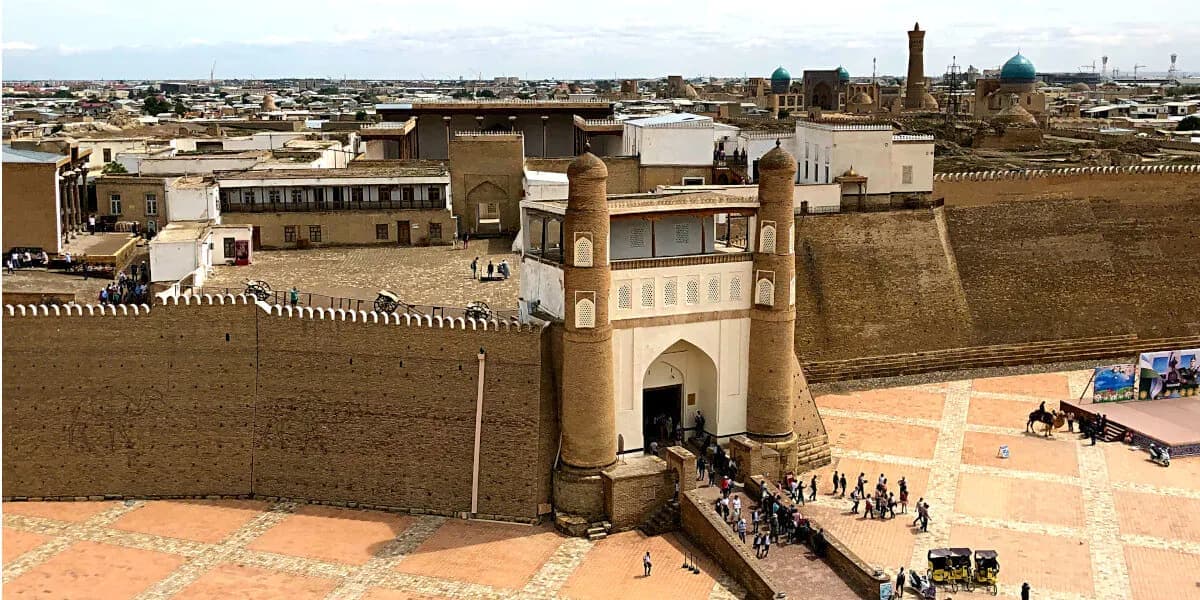
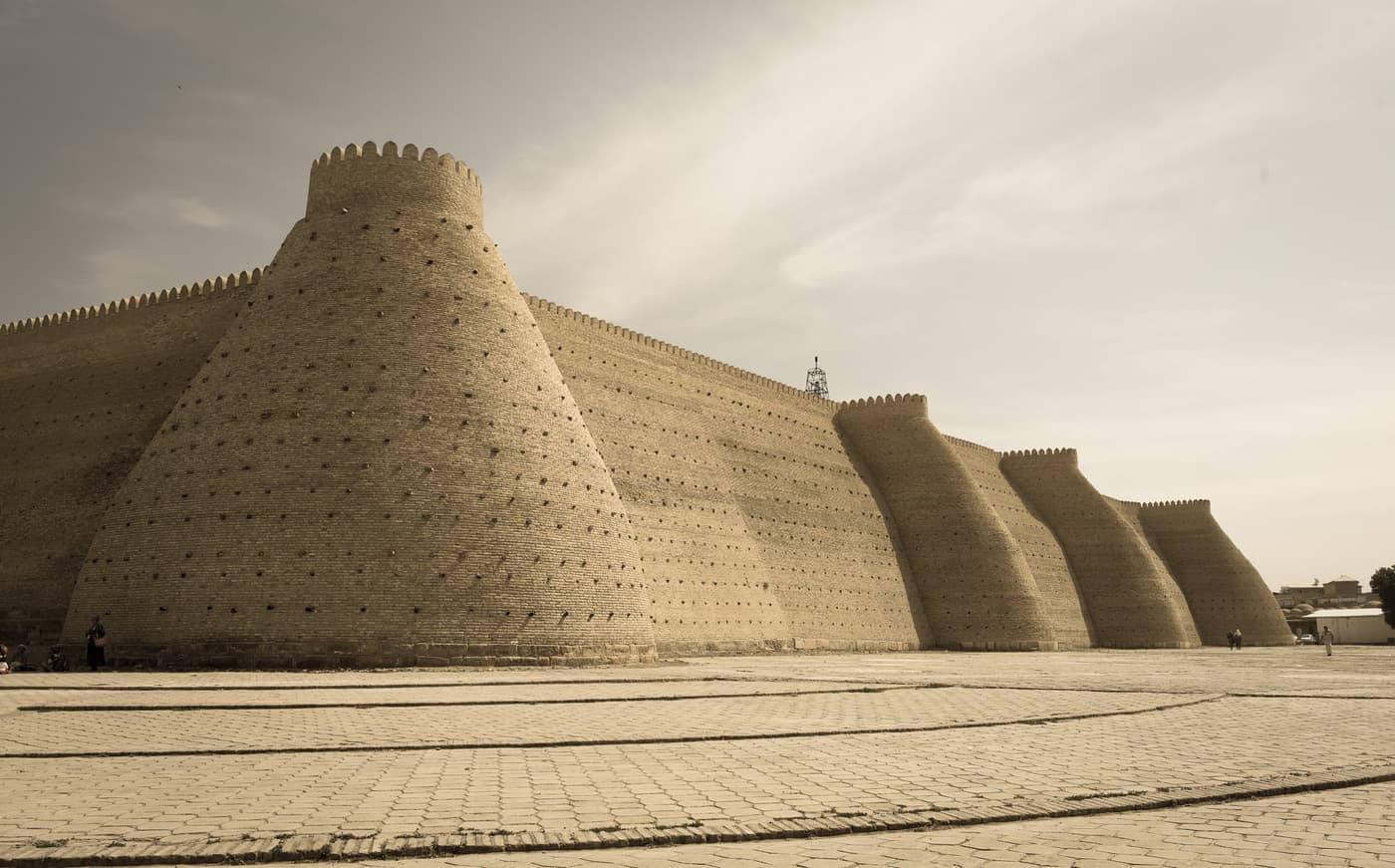
For most of Bukhara's recorded history, power sat here. The Ark is a fortified town in its own right — palaces, a mosque, a mint, a prison and stables on a mound about 20 metres high — and people lived inside it from roughly the fifth century until 1920.
Below its gate lies the Registan, the open ground where the city met the state: proclamations, markets, crowds. Samarkand has a Registan too, a ceremonial square framed by three madrasas, with its own page in this guide; Bukhara's Registan mattered for what happened on it rather than for what was built around it. The Bolo-Hauz Mosque on its far side belongs to this space as much as it belongs to its own complex.
Gallery
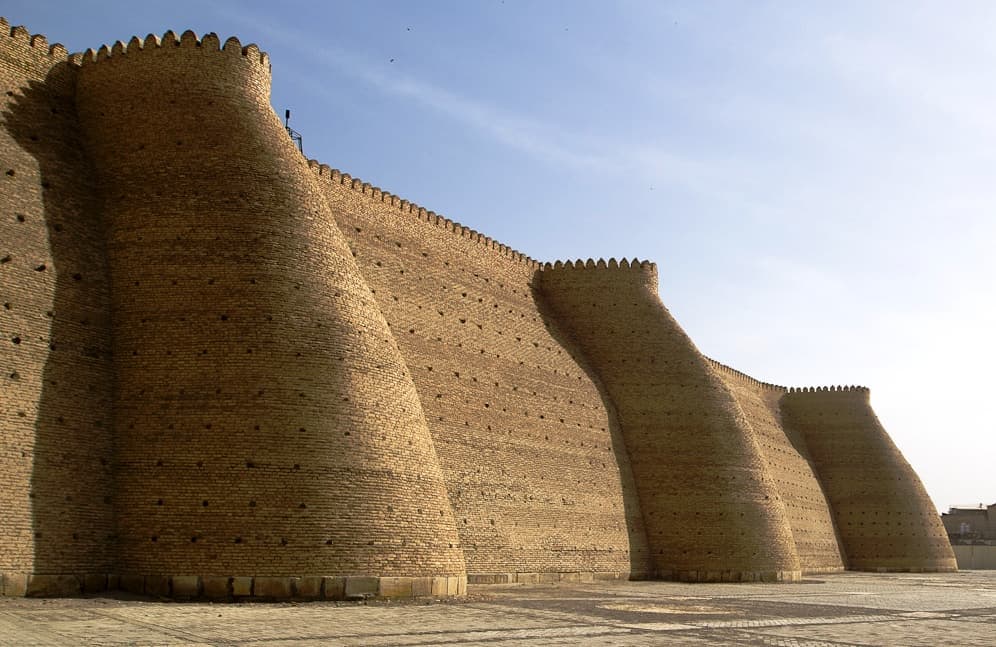
Monuments in this complex
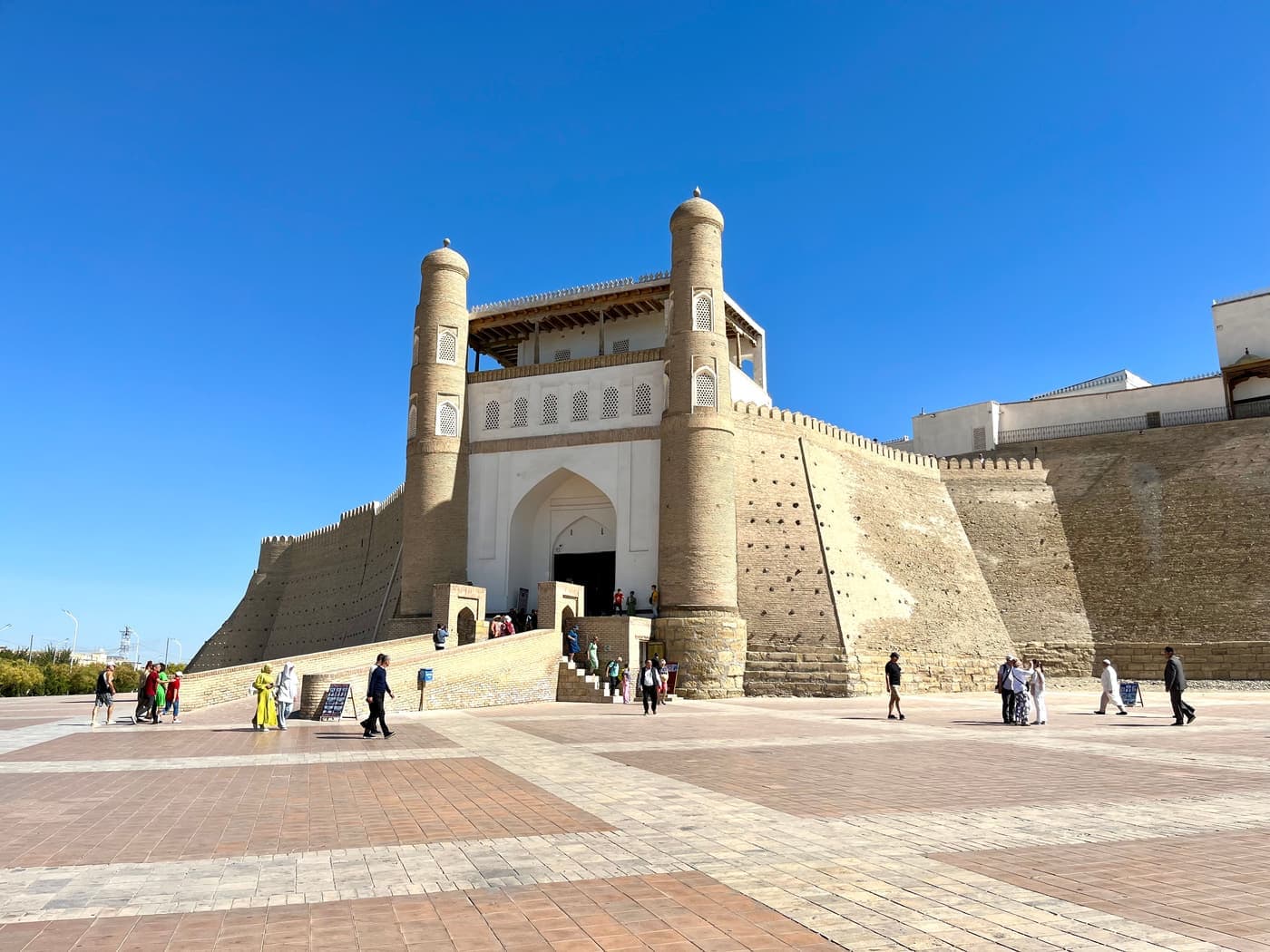
Ark Fortress
The fortress-city of Bukhara's emirs, lived in for some 1,500 years until 1920.
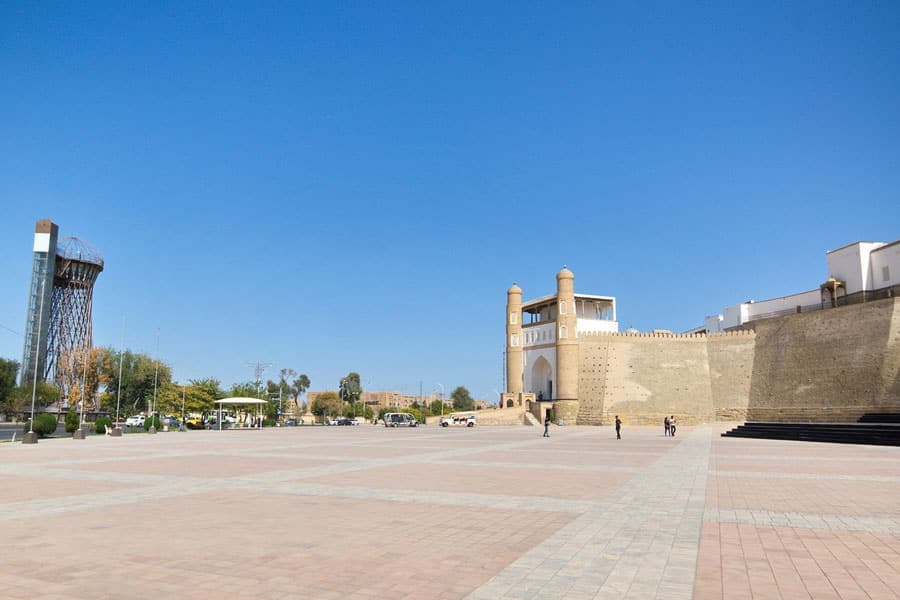
Registan Square, Bukhara
The open ground below the Ark, where Bukhara's rulers and its people met: proclamations, markets and crowds.
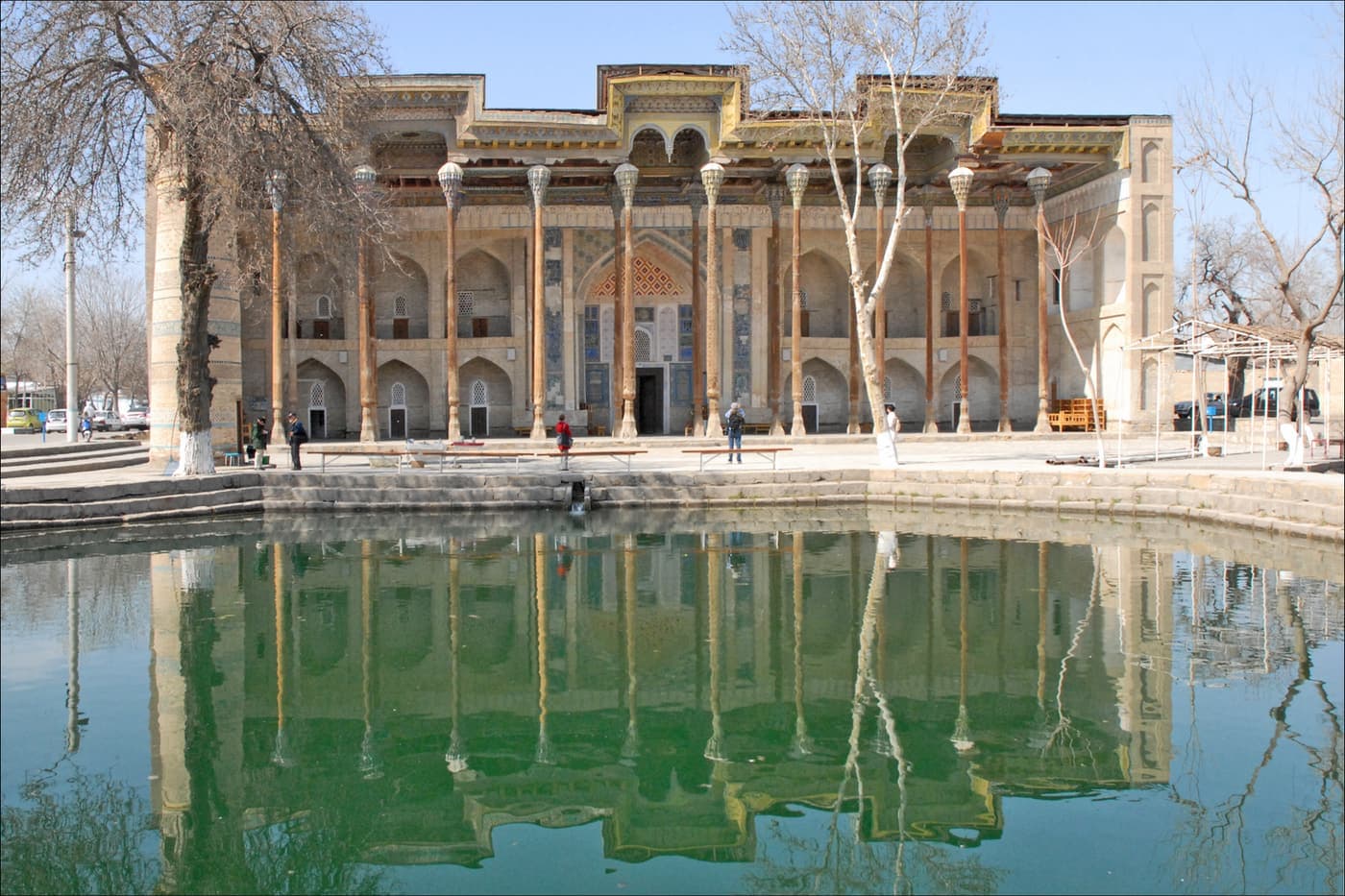
Bolo-Hauz Mosque
The emir's Friday mosque of 1712, fronted by a later ayvan whose twenty carved wooden columns are doubled in the pond.