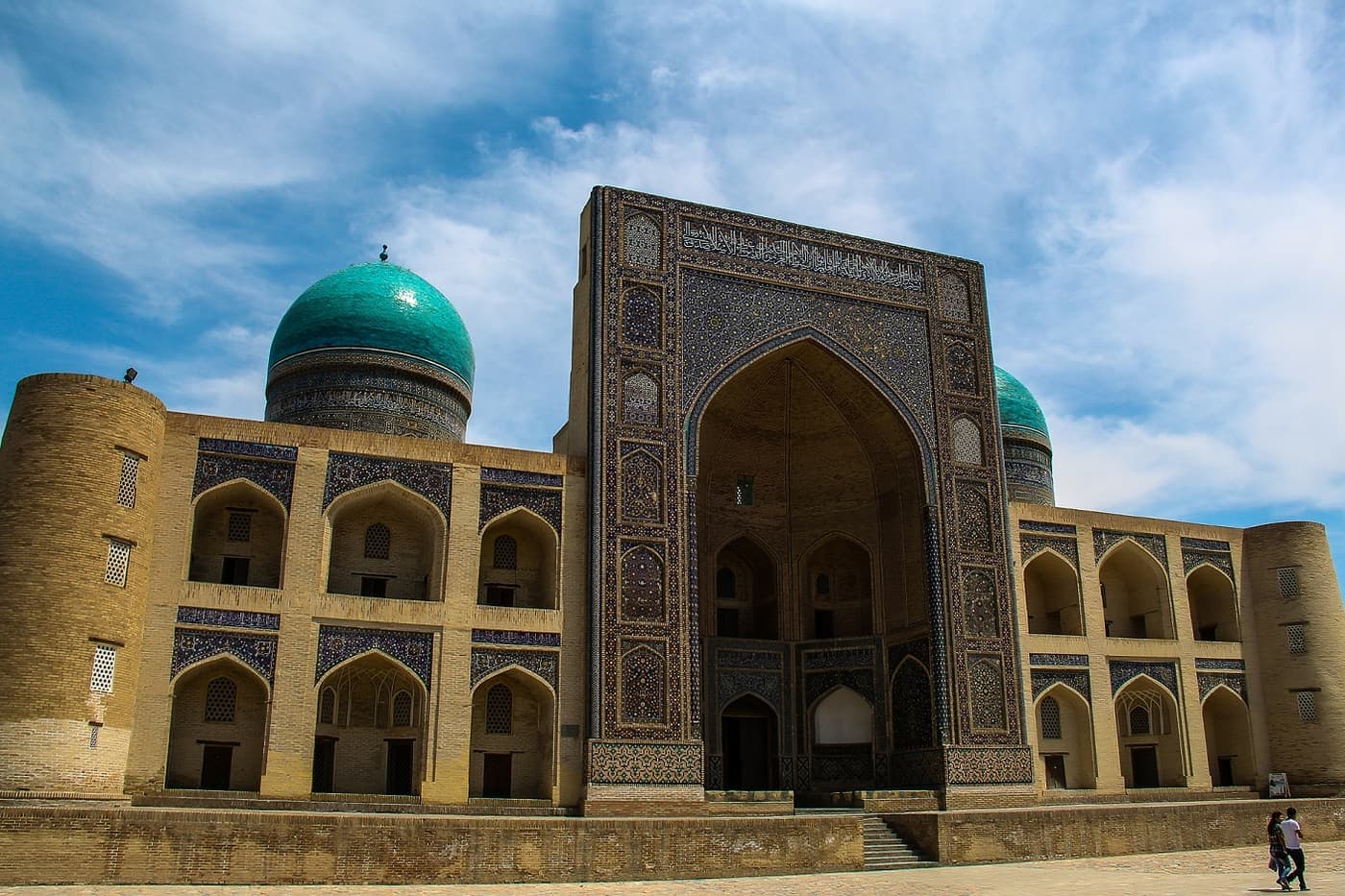
Mir-i-Arab Madrasa
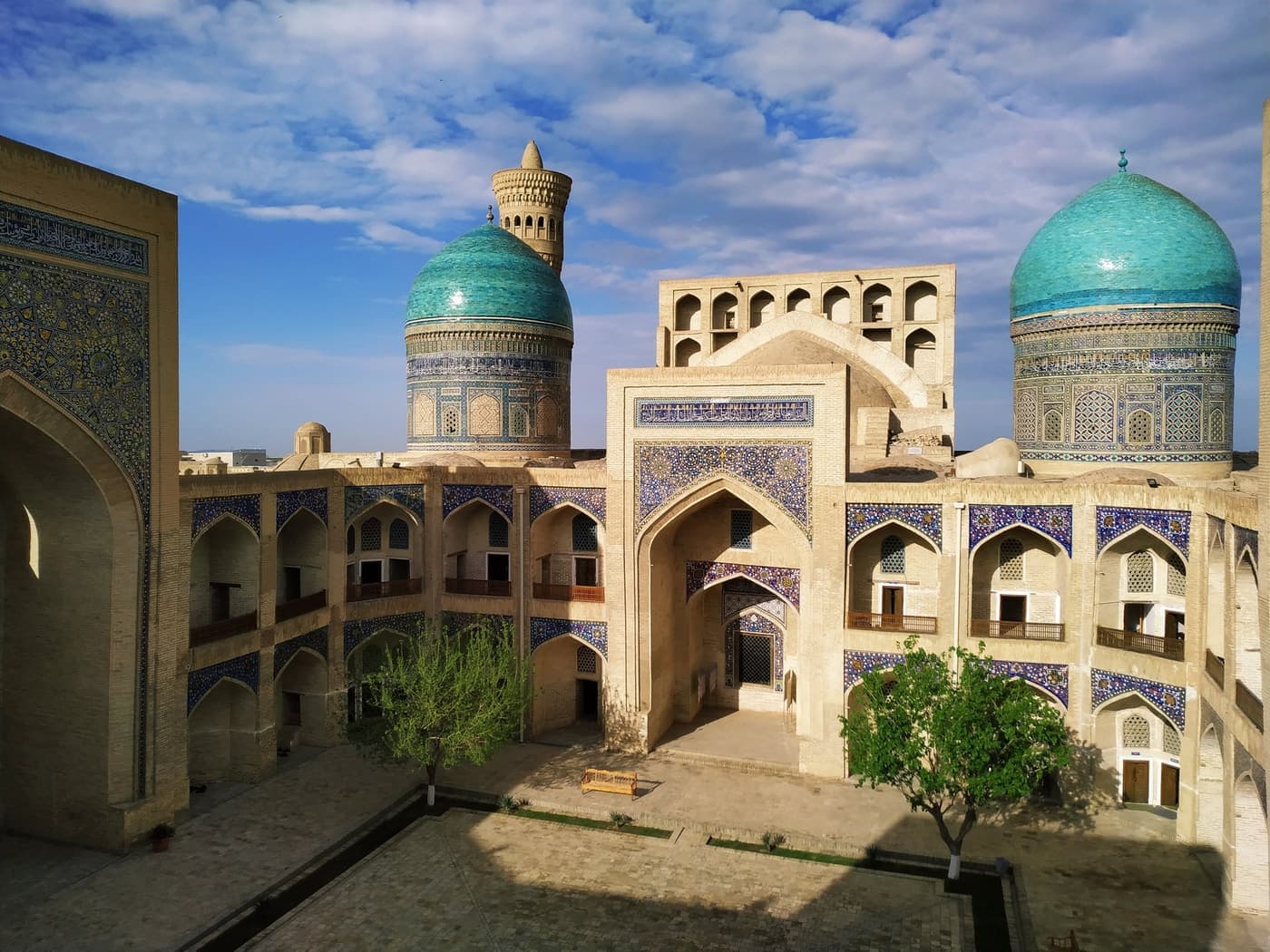
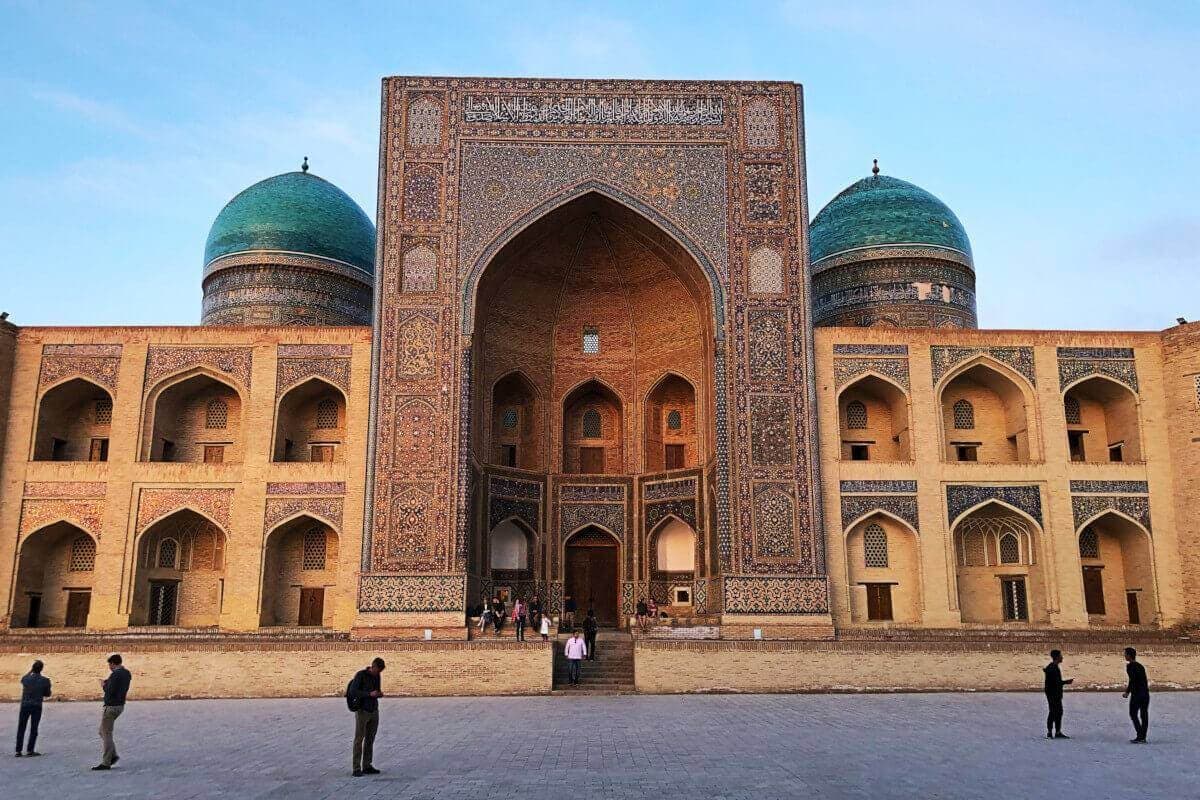
Two blue domes facing the mosque across the square — and a madrasa that has taught students since the 1530s.
Listen while you walk
This guide plays in the language you selected.
Script
Welcome to Bukhara.
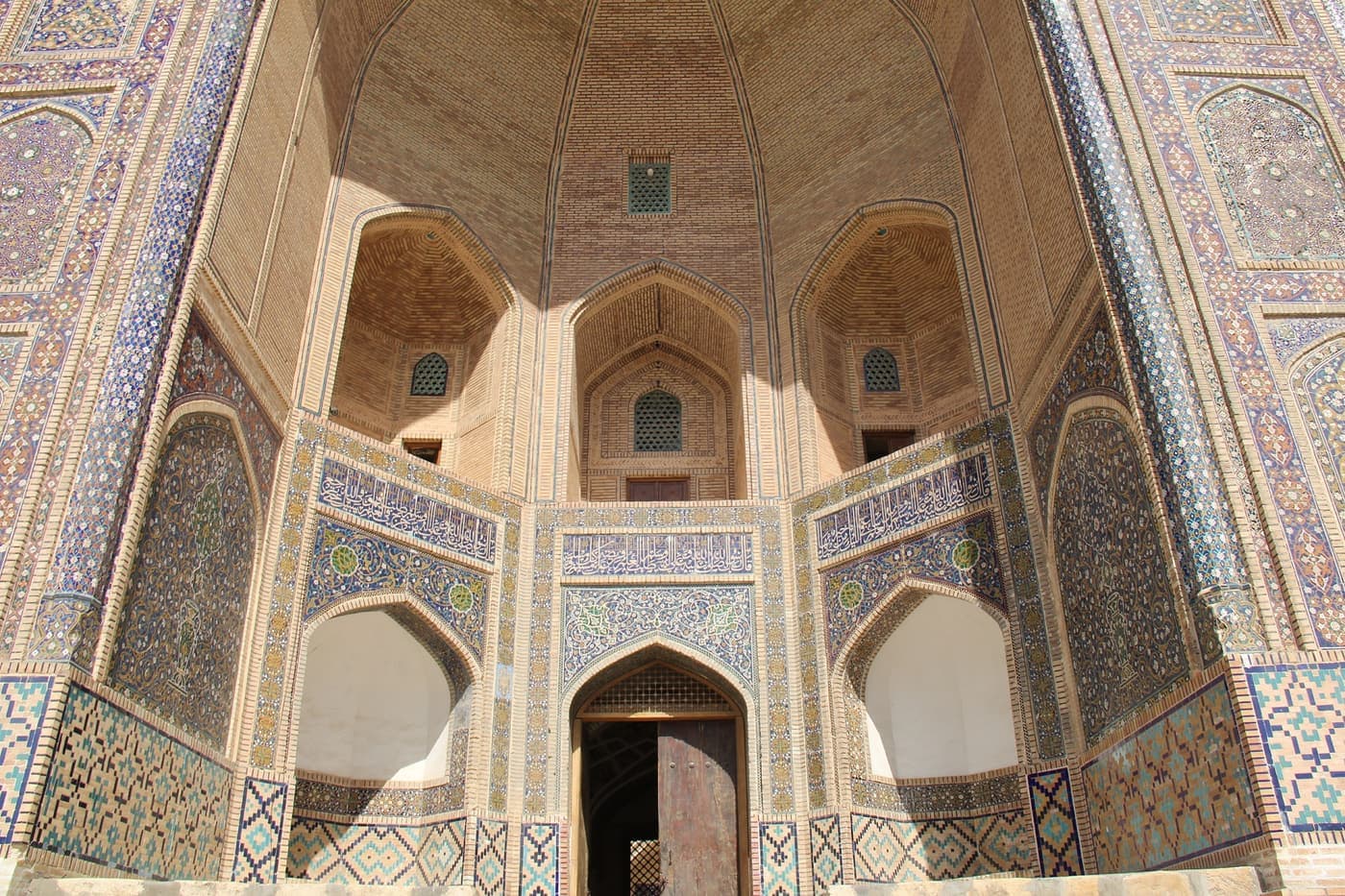
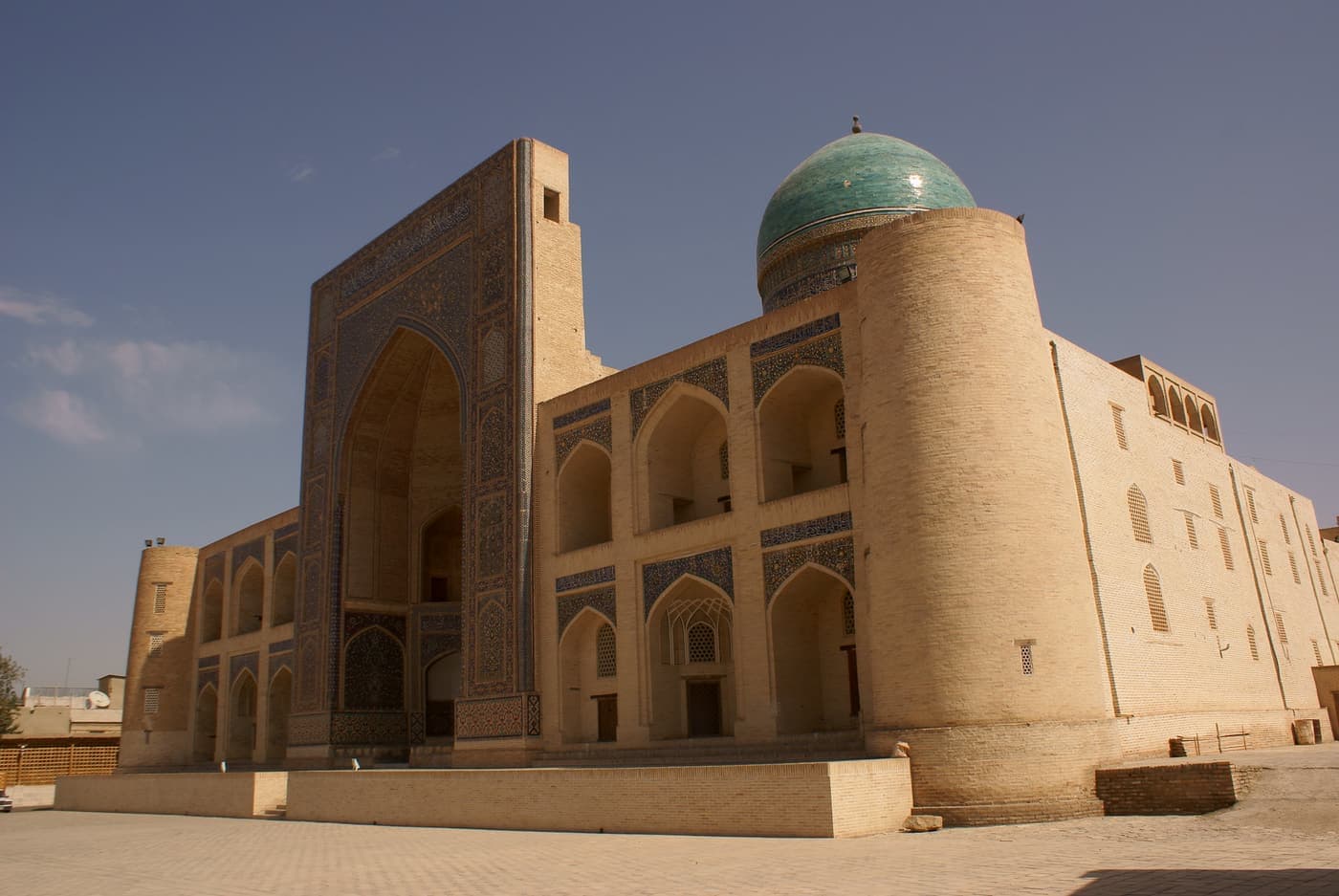
You are now standing before one of the most recognisable buildings in the Poi-Kalyan ensemble: the magnificent Mir-i-Arab Madrasa.
Its two large blue domes, together with the Kalyan Mosque and the Kalyan Minaret, form one of the most iconic views of historic Bukhara.
The madrasa was built in the sixteenth century, approximately between 1530 and 1536. It was constructed during the reign of the Shaybanid ruler Ubaydullah Khan and was named after his spiritual mentor, Sheikh Abdullah al-Yamani, better known as Mir-i-Arab. He was a scholar and Naqshbandi spiritual leader originally from Yemen.
Gallery